How to Keep Vegetables Fresh for Longer
There is a particular kind of disappointment that comes from opening the fridge on a Wednesday and finding the spinach turned to green soup, the carrots gone bendy and the peppers wrinkled like old balloons. I have thrown away more vegetables than I care to admit, and for years I thought it was just something that happened. It is not. Most vegetables keep far longer than we think — they just need the right place, the right amount of air and the right neighbours.
The good news is that keeping vegetables fresh does not need special gadgets or expensive containers. It needs a few small habits that take thirty seconds when you unpack the shopping, and they make the difference between vegetables that last a week and vegetables that last a day. Here is what I do now, and how much longer everything lasts since I started.
Watch: How to Keep Vegetables Fresh for Longer
Reading time: 5 minutes | Skill level: Beginner | Tools: A fridge, a few bags and jars
Start with Good Vegetables
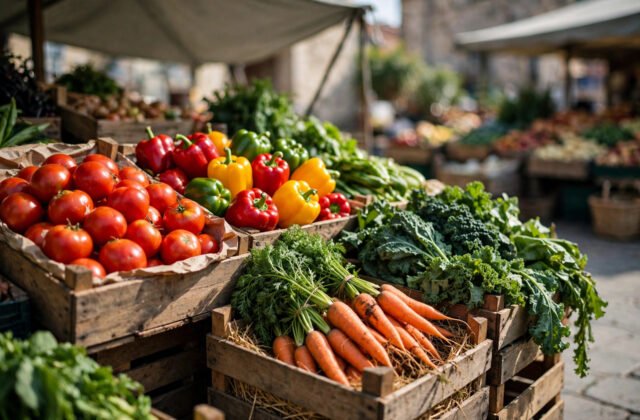
Freshness starts in the shop, not in your kitchen. Choose vegetables that are firm and bright, with no soft spots, no dark patches and no slimy leaves. A pepper should feel heavy for its size, carrots should snap rather than bend, and leafy greens should look lively, not limp. If it is tired when you buy it, no amount of careful storage will bring it back, so pick the good ones and leave the sad ones behind.
Keep Things Dry
Water is the enemy of almost every vegetable once it is in the fridge. Wet leaves rot, wet carrots go slimy, and wet mushrooms turn into something nobody wants to eat. Keep vegetables dry when you store them, and wash them only when you are about to use them. If your salad leaves come home damp from the shop, pat them dry with a tea towel or spin them in a salad spinner, then pack them in a container lined with a piece of kitchen paper, which soaks up the moisture that causes rot. Change the paper every couple of days and your leaves will stay crisp for a week.
Use the Crisper Drawer Properly
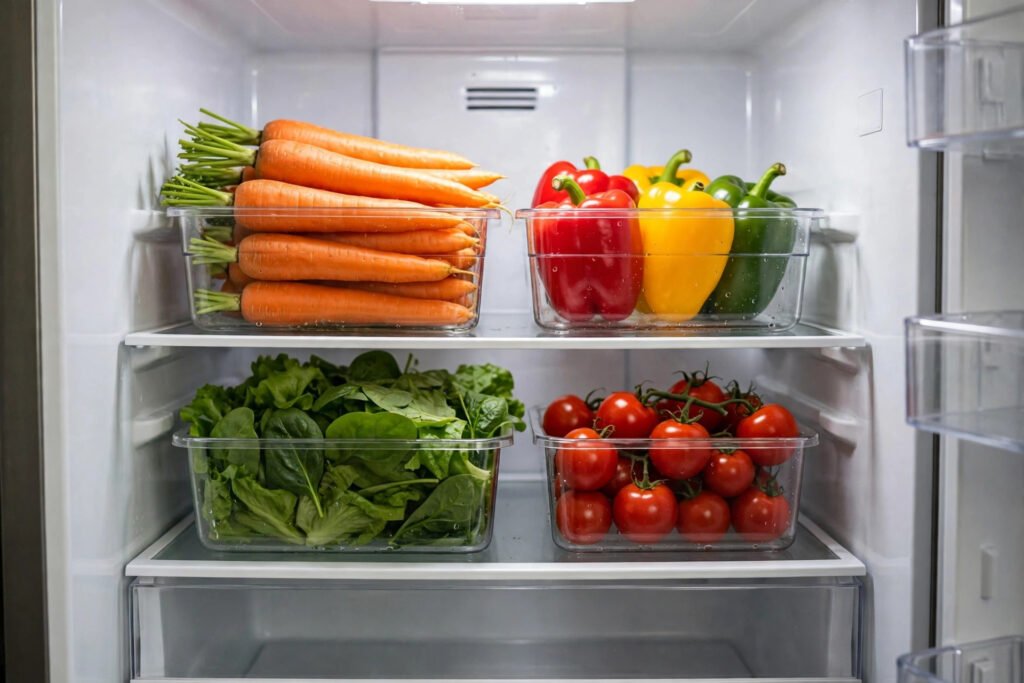
The bottom drawers of the fridge exist for a reason, and they are not just somewhere to shove things out of sight. The crisper drawer keeps humidity high and temperature steady, which is exactly what most vegetables want. Keep vegetables in there, in a bag or box, rather than loose on a shelf where the cold air dries them out. Leave a little space for the air to move — a drawer packed tight is a drawer where everything sweats and rots. And if your drawer has a humidity slider, use it: high humidity for leafy greens and herbs, low for peppers and things that prefer it drier.
Some Vegetables Do Not Belong in the Fridge
Not everything wants to be cold. Tomatoes lose their flavour and go mealy in the fridge, so keep them on the counter, stem side down. Onions and garlic want a cool, dark, dry place, and they will sprout or go soft in the damp cold — keep them in a basket or a paper bag in the cupboard. Potatoes are the same: they go sweet and gritty in the fridge, so store them somewhere dark and dry. And keep onions away from potatoes, because onions release a gas that makes potatoes sprout faster. One drawer, one basket — not mixed together.
Store Herbs Like Flowers
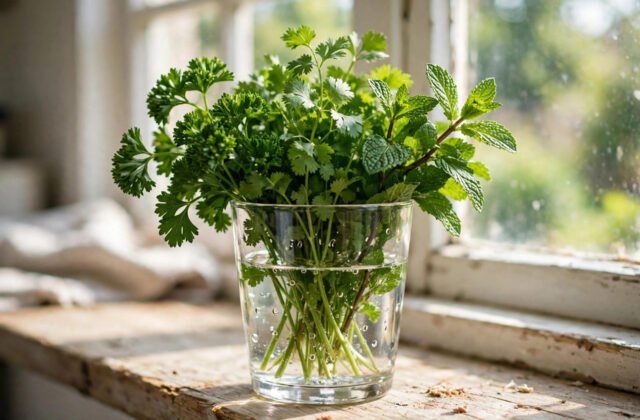
Fresh herbs are the first thing to die in the fridge, so treat them like a bunch of flowers. Trim the stems, stand them in a jar with an inch of water, and put a bag loosely over the top — they will keep for a week or more that way, and you can snip what you need. Parsley, coriander and dill love this treatment. Basil is the exception: it hates the cold, so keep basil on the counter in a jar of water, away from the fridge entirely. And if you have too many herbs, chop them and freeze them in a little water in an ice-cube tray, ready to drop into soups.
Use the Freezer as a Backup
The freezer is not just for ready meals — it is the best way to save vegetables that are about to turn. If you have peppers or onions wilting at the end of the week, chop them and freeze them in a bag; they will be perfect for cooking later, even if they are no good raw. Peas, sweetcorn and spinach freeze beautifully. Blanching — a quick dip in boiling water, then cold water — keeps green vegetables bright in the freezer for months. And freeze things flat in bags so they stack neatly and defrost quickly.
Tips
A few extra rules I follow. Keep fruit away from vegetables, because ripening fruit releases ethylene gas that makes vegetables age faster — that is why tomatoes and bananas should never sit next to the lettuce. Wash your vegetables only when you are about to use them, unless they are muddy. Check the drawers twice a week and use up whatever looks tired first, so nothing gets forgotten. And if something is starting to go, use it in a soup, a stir-fry or a curry that day, rather than watching it go off.
None of this costs anything or takes more than a few minutes when you put the shopping away, and the difference is real: less waste, better food and a fridge that does not smell of forgotten vegetables. Start with one thing — dry the leaves, or move the tomatoes out of the fridge — and notice how much longer everything lasts. If you try these tips, tell us on our Contact page how they worked for you; we love hearing what home cooks learn from the guides here.