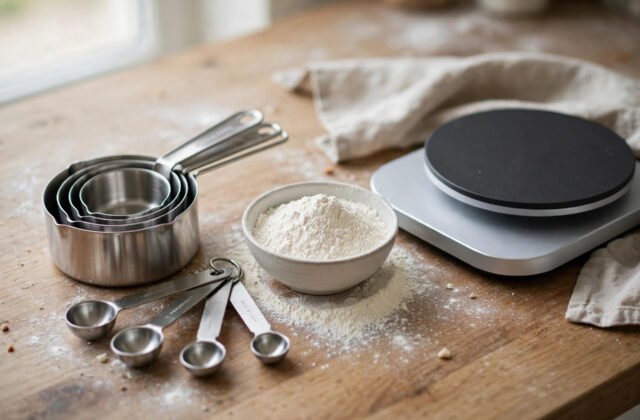
How to Cook Rice Perfectly Every Time
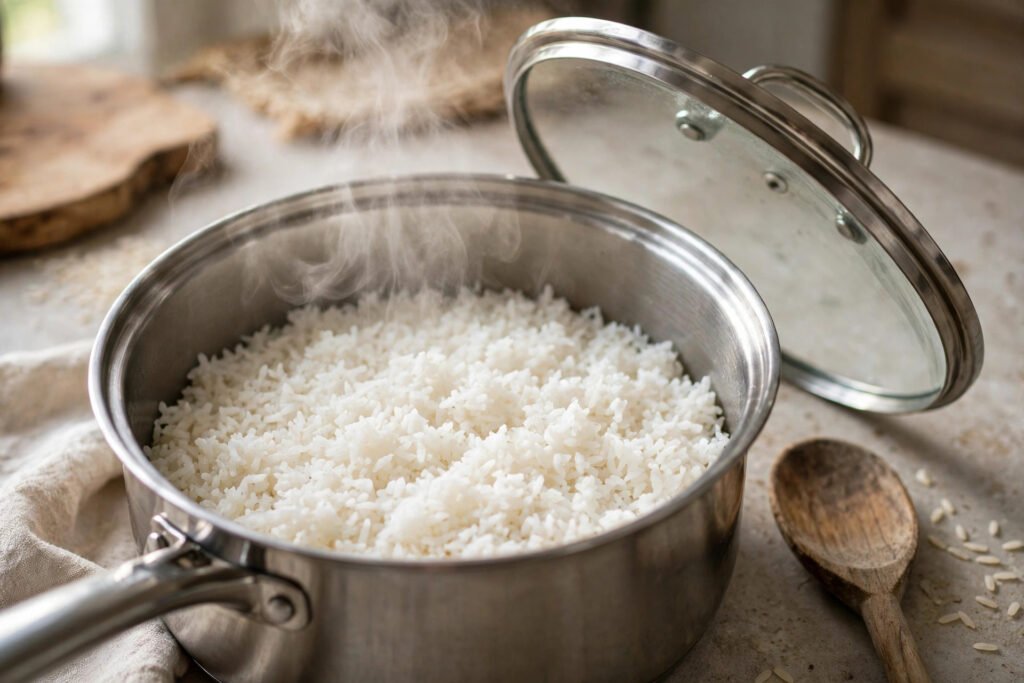
Rice is the first thing most of us learn to cook badly. I burned it, I drowned it, I served it crunchy and glued to the pan. I assumed good rice was a talent you either had or you didn’t, until I realised it is simply three or four small habits, and once you know them, the pot practically sorts itself out.
This guide is the method I use now, every single time, whether the rice is going with a curry, a stir-fry or a bowl of leftovers. It works for plain white rice in an ordinary lidded saucepan — no rice cooker, no special equipment. I will also cover brown rice and basmati, because they need different treatment. Trust the lid and you will never dread cooking rice again.
Reading time: 5 minutes | Skill level: beginner | Tools: a saucepan with a tight lid and a measuring cup
Watch: How to Cook Rice Perfectly Every Time
Rinse the Rice First
Start by rinsing the rice in cold water. Put it in the pan, cover it with water, swish it with your hand and tip the cloudy water away. Do it two or three times, until the water runs mostly clear. This takes less than a minute and it is the biggest difference between fluffy rice and sticky rice. The cloudiness is loose starch on the surface of the grains, and if you leave it there, the grains glue themselves together as they cook.
Use the Right Amount of Water
For plain white rice I use one cup of rice to one and a half cups of water. That ratio works in my kitchen, and I have tested it many times. A mug will do, as long as you use the same mug for the rice and the water. Too much water and you get porridge; too little and the middle of the grains stays hard. Once you know the ratio by heart you can stop measuring.
Bring It to a Boil, Then Turn It Right Down
Put the rice and water in the pan with a pinch of salt and bring it to a boil over a medium-high heat. As soon as it boils, put the lid on and turn the heat down to the lowest setting your hob will manage — the barest simmer. If the heat stays high, the water boils away before the rice is cooked and the bottom layer burns. Eighteen minutes on the lowest heat is about right for white rice. Set a timer.
Do Not Lift the Lid
Once the lid is on, leave it alone. Do not peek, do not stir, do not check whether it is done. Every time you lift the lid, steam escapes, the temperature drops, and the rice on top stops cooking properly. Stirring is worse: it breaks the grains and releases more starch, which makes glue. The urge to look is strong, and I have ruined many a pot by giving in to it. The rice is doing its job in the dark, and it does not need your supervision.
Let It Rest Before You Fluff
When the timer goes off, turn the heat off and leave the pan where it is, lid still on, for ten minutes. This rest is not optional: the grains finish cooking in the trapped steam, and the moisture evens out through the pot. The bottom layer loosens up and any damp patches on top dry out. I use these ten minutes to set the table, and by the time the food is ready, the rice is ready too. Skip the rest and the rice comes out wet in some places and hard in others.
Fluff It with a Fork, Not a Spoon
After the rest, take the lid off — the steam will smell wonderful — and fluff the rice with a fork, not a spoon. A fork lifts the grains apart gently, like combing hair. A spoon crushes them and pushes them back together, which is the last thing you want after all that careful cooking. Scoop from the bottom and lift, turning the rice over in loose strokes. A few grains will stick to the bottom — that is normal, and they make a crunchy cook’s treat.
What About Brown Rice and Basmati?
Once the basic method clicks, the variations are easy. Basmati cooks the same way, but rinse it well and soak it for twenty minutes first — it comes out longer and lighter. Brown rice needs about two cups of water per cup of rice and a longer simmer, around forty minutes, plus the same ten-minute rest. It will never be as soft as white rice; it is supposed to have a bit of bite. The habits are the same; only the numbers change.
Tips
A few practical things I wish I had known years ago. First, use a saucepan with a heavy bottom and a lid that actually fits — a loose lid lets the steam escape and the rice dries out. Second, if your rice burns on the bottom, scoop the good rice off the top and leave the burnt layer in the pan. Third, if the rice comes out too wet, spread it on a baking tray and pop it in a warm oven for five minutes.
That is how to cook rice perfectly every time: rinse it, measure the water, boil then simmer low, leave the lid alone, rest it, and fluff it with a fork. Six habits, one pot, no special equipment. The first time it works, it feels like a small miracle — every grain standing apart. Keep making it that way and after a few weeks you will not need the timer or the measuring cup any more. You will just know.